


Motorcycle Won’t Start? Battery, Spark and Fuel Checks Before You Buy Parts
Jan
Before I started riding, I never really saw motorcycles as “precision machinery” in the same way I do cars or other motorised vehicles. Maybe it’s just because bikes are smaller, more compact systems that just feel as if they have less to hide in terms of their internal mechanisms, but either way, as a young rider, I never felt like I had to put that much thought into it.
Cut to me driving down Canterbury Road at 60km/h and having my bike suddenly and without warning turn off. As you can expect, there aren’t too many experiences that really compare to the experience of losing all control of a bike at night on a busy road, and whilst I was successful in haphazardly swerving into a driveway before anything got truly out of hand, it was a guiding lesson in the number of small things that go into making a bike work.
One of the most apparent ways that issues with a bike make themselves apparent is when the motorbike simply won’t turn on. You’re ready to go out and face the world, only to find that your motorbike is feeling quite a bit less, well, motorised than you remember. For many of us, the next step is a mopey little trip to the bike part shop, and whilst we at interactivefiction endeavour to make that process as painless as possible, it’s best to know whether your motorbike really needs an engine or battery overhaul before bringing out your wallet.
Today, we’re going to take a look at a few checks to make if your motorcycle just isn’t starting up, and what you can do to resolve these issues yourself before you buy more motorbike parts.
Antique Gold Tree On Wooden Base Medium
Start With the Basics and Your Owner’s Manual
Before pulling tools out or ordering replacement parts, the most important step is also the least exciting, most painfully obvious one:
Check your owner’s manual.
Every motorcycle is a little different. Fuel-injected bikes behave differently from carbureted bikes, and the difference between 2-stroke and 4-stroke engines is quite vast. Some models have tip-over sensors, immobilisers, clutch interlocks, side stand cut-offs or ECU quirks that can stop the bike from starting even though everything appears fine. What works for one Yamaha may not apply to a Honda, and what applies to a modern KTM may be completely irrelevant to an older Suzuki.
Your manual will tell you what warning lights matter, how the starting system works on your specific bike, and what checks are considered safe for owners to do themselves. If you no longer have a physical copy, most manufacturers offer PDFs online. Taking ten minutes to read the starting and electrical sections can save hours of frustration.
If you are ever unsure, especially before adjusting fuel delivery, ignition timing or electrical components, look up information specific to your make and model or speak to a professional.
Black and White Porcelain Dog Ornaments
The Motorbike Battery Breakdown
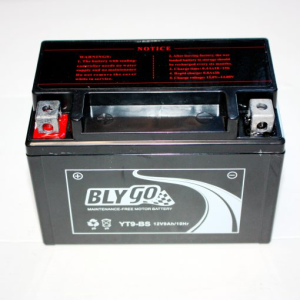
In cases where your motorcycle just refuses to start, the battery is statistically the most likely cause.
A flat or failing battery does not always mean complete silence. Sometimes the bike will crank slowly, the dash lights may flicker, or you will hear a rapid clicking noise when pressing the starter. Modern bikes, in particular, can behave strangely when the voltage drops below a certain point. Remember that your bike’s battery is essentially the beating heart of your electrical systems, and just like any other electrical system, it isn’t simply a switch between “working perfectly” and “completely dead”.
Looking For Clues
Start with a little visual inspection to see if the answer is surface-level (we love surface-level answers). Check for corrosion on the terminals, loose connections, or damaged cables. White or green buildup around the terminals can interfere with current flow. If you see corrosion, clean it carefully using appropriate products and safety gear.
If you have access to a multimeter, check the battery voltage. A healthy, fully charged motorcycle battery should read around 12.6 volts when the bike is off. Anything below 12 volts suggests the battery may need charging or replacing. When cranking, the voltage should not drop dramatically. A sharp drop can indicate internal battery failure.
It is also worth considering how long the bike has been sitting. Victorian winters are not kind to batteries, especially if the bike is stored without a trickle charger. Even a relatively new battery can discharge if the bike is left unused for weeks.
Before Accessories & More, confirm the correct type and capacity for your bike. AGM, lithium and conventional lead acid batteries are not always interchangeable. Again, your owner’s manual is your best reference point.
The Spark Check: Is Ignition Happening?
If the battery checks out, the next step is the spark or ignition point. Put simply, without a spark, fuel and air are meaningless.
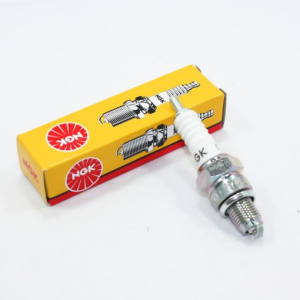
Checking the spark usually involves removing a spark plug and seeing whether it produces a strong spark when the engine turns over. This should be done carefully, following the procedure recommended for your specific motorcycle. Incorrect handling can damage ignition components or result in electric shock.
A healthy spark is usually bright blue or white. A weak, yellow spark or no spark at all points to an ignition issue. This could be a worn spark plug, a faulty ignition coil, damaged wiring, or a sensor preventing spark delivery.
Spark plugs are a consumable item, meaning that they exist to be replaced, and are often overlooked as a result. Check the condition of the plug. Excessive carbon buildup, oil fouling, or a worn electrode can all prevent proper ignition. Replacing spark plugs at the intervals recommended by the manufacturer is cheap insurance against starting problems.
It is also important to use the correct spark plug type and heat range. Installing the wrong plug can cause poor starting, misfires, or long-term engine damage. You can check out our range of Fixtures And Fittings.
Black & Grey Ceramic Hooks on Wooden Base
Finessing the Fuel Checks: Is Your Bike Getting the Juice?
Fuel is the third part of the equation, and is the one that will really cause concerns if you can’t get your bike to turn on. No fuel, no start, is the unfortunate reality of a bike, so it’s important to keep your Accumulators Safety Blocks in good working order. Luckily, while it may be one of the more daunting to get repaired, your bike is good at telling you if it is having trouble with fuel.
Fuel-Injected Bike Checks
For fuel-injected bikes, listen for the fuel pump priming sound when you turn the key on. If you hear nothing, there may be an issue with the pump, fuse, relay, or kill switch. Check the kill switch position first. It sounds obvious, but it catches even experienced riders.
Carbureted Bike Checks
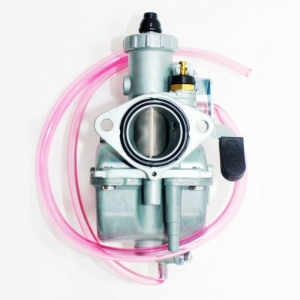
On carbureted bikes, check that fuel is actually flowing. Fuel taps can be turned off, clogged, or left on reserve when the tank is empty. Old fuel can also cause problems, particularly if the bike has been sitting for months. Petrol degrades over time and can leave deposits that clog jets and passages.
Is Your Bike’s Engine Flooded?
If the bike smells strongly of fuel but will not start, it may be flooded. Follow the manufacturer’s recommended procedure for clearing a flooded engine. This varies between bikes, which is why model-specific guidance matters.
Do not start pulling carburettors apart at random or adjusting fuel screws like you’re playing a game of Bop It unless you know exactly what you are doing and have reference information for your bike. Incorrect adjustments can make the problem worse and create new ones.
Electrical Interlocks and Safety Systems
Many modern motorcycles sold in Australia include safety systems that prevent starting under certain conditions. Side stand switches, clutch switches, neutral sensors, and immobilisers can all stop the engine from cranking or firing.
If your bike starts intermittently or only in certain positions, an electrical interlock may be the issue. Dirt, corrosion or wear can cause these switches to fail.
Your owner’s manual will outline which conditions must be met for the bike to start. This is another reason not to skip it.
So, To Summarise:
- Check your owner’s manual first
Always confirm starting procedures, warning lights, and safe owner-level checks for your specific make and model before making any adjustments. - Inspect the battery
Look for loose terminals, corrosion, or damaged cables. Check battery voltage if possible, and consider how long the bike has been sitting unused. - Confirm the correct battery type
Make sure any replacement battery matches the specifications listed in your owner’s manual, including size, capacity, and battery chemistry. - Check for spark
Inspect spark plugs for wear, fouling, or damage and replace them at manufacturer-recommended intervals using the correct plug type. - Verify fuel delivery
Ensure there is fresh fuel in the tank, the fuel tap is in the correct position, and the fuel pump primes on fuel-injected bikes. - Watch for flooding or stale fuel
Follow the manufacturer’s recommended procedure if the engine is flooded, and avoid using old fuel that may have degraded. - Check safety switches and interlocks
Confirm the kill switch, side stand switch, clutch switch, and neutral sensor are functioning correctly. - Avoid random adjustments
Do not adjust fuel screws, carburettors, or ignition components without model-specific guidance, as incorrect changes can worsen the issue. - Stay roadworthy under Victorian regulations
Any repairs or modifications should maintain compliance with VicRoads safety and roadworthiness requirements. - Seek professional advice when needed
If basic checks do not resolve the issue, consult a qualified mechanic or knowledgeable motorcycle parts specialist before replacing components.
When to Stop and Ask for Help
There is a fine line between basic troubleshooting and creating an expensive problem. If you have checked battery health, spark plugs, fuel supply, and obvious electrical issues, and the bike still will not start, it may be time to consult a mechanic or a knowledgeable parts specialist.
In Victoria, any modifications or repairs must keep the bike roadworthy under VicRoads regulations. Incorrect repairs can affect insurance, safety, and legality. This is especially important when dealing with electrical systems or fuel delivery.
At interactivefiction, we are always happy to help you identify the right part, but we would much rather sell you the correct component once than have you replace parts at random. For any questions, contact us today, or visit us at our Dandenong motorcycle part store: 3 Kimberly Road, Dandenong South, VIC 3175.